Table of Content
What Is RFID Fabric?
How RFID Fabric Technology Works
RFID Fabric vs Traditional RFID Tags
Key Benefits of RFID Fabric Tags
Common Applications of RFID Fabric
RFID Fabric Tag Types and Formats
Materials and Durability Standards
How RFID Fabric Improves Inventory and Loss Control
How to Choose a Reliable RFID Fabric Supplier
Future Trends in Smart RFID Textiles
FAQ bout RFID Fabric
RFID Fabric: The Smart Textile Technology Transforming Modern Tracking
In today’s fast-evolving world of smart manufacturing and digital supply chains, traditional RFID tags are no longer the only solution.
A new innovation is rapidly gaining popularity across industries such as apparel, hospitality, healthcare, and industrial laundry:
RFID Fabric.
RFID fabric technology combines durable textile materials with embedded RFID chips, creating washable, flexible, and long-lasting tracking solutions for fabric-based assets.
In this article, we’ll explore what RFID fabric is, how it works, its key applications, and why it is becoming essential for modern businesses.
1. What Is RFID Fabric?
RFID Fabric refers to textile-based RFID tags or labels that are designed specifically for fabric products.
Instead of rigid plastic housings, RFID fabric tags are made with soft textile materials that allow them to be:
Sewn into clothing
Embedded into linens
Heat-pressed onto fabric surfaces
Washed repeatedly without damage
Each RFID fabric tag contains:
An RFID chip with a unique ID
A flexible antenna
A protective textile or silicone encapsulation
These features make RFID fabric ideal for long-term textile asset management.
2. How RFID Fabric Technology Works
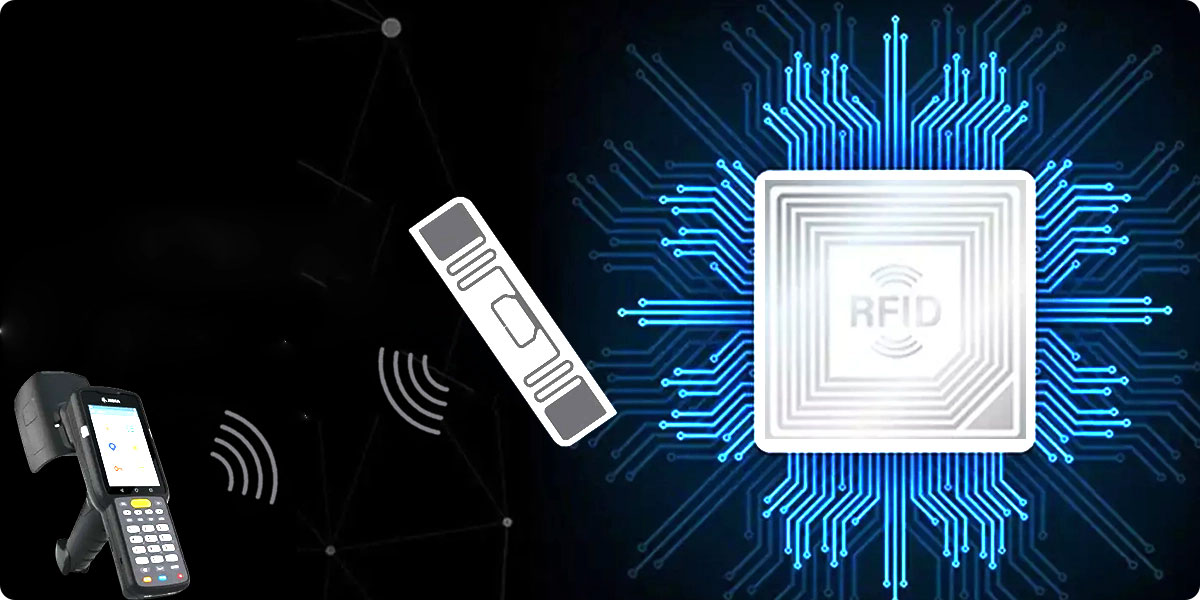
RFID fabric operates through standard RFID principles:
The RFID chip stores a unique identification code
RFID readers emit radio waves
The fabric tag responds by transmitting its ID
Data is captured automatically into the tracking system
Common RFID Frequencies Used in Fabric Tags
UHF RFID Fabric Tags (860–960 MHz)
Best for long-range reading and bulk scanning in laundries or warehouses
HF RFID Fabric Tags (13.56 MHz)
Suitable for short-range textile authentication or NFC-based applications
Because textiles are often scanned in bulk, UHF RFID fabric solutions are the most widely adopted.
3. RFID Fabric vs Traditional RFID Tags
| Feature | RFID Fabric Tags | Traditional RFID Tags |
| Flexibility | Soft and bendable | Rigid plastic |
| Wash Resistance | High (200+ cycles) | Limited |
| Comfort for Clothing | Excellent | Poor |
| Application | Sew-in / Heat-seal | Adhesive only |
| Best Use Cases | Linens, uniforms, garments | Pallets, boxes |
RFID fabric tags are specifically engineered for textile environments where durability and comfort matter.
4. Key Benefits of RFID Fabric Tags
4.1 Washable and Heat Resistant
RFID fabric tags are built for harsh laundry conditions, including:
High-temperature washing
Industrial drying
Chemical detergents
Sterilization processes
Premium RFID laundry fabric tags can survive over 200–300 wash cycles.
4.2 Flexible and Comfortable Integration
In apparel and uniforms, comfort is critical. RFID fabric tags are lightweight and do not irritate skin, making them perfect for wearable applications.
4.3 Full Lifecycle Textile Tracking
RFID fabric allows businesses to track textiles from purchase to disposal, improving asset utilization and replacement planning.
4.4 Automated Bulk Inventory Scanning
Unlike barcodes, RFID fabric tags can be scanned without line-of-sight.
A laundry facility can scan hundreds of items in seconds, saving labor and time.
4.5 Reduced Loss and Shrinkage
Hotels and hospitals lose thousands of textile items annually due to theft or misplacement.
RFID fabric tracking significantly reduces shrinkage by ensuring accountability.
5. Common Applications of RFID Fabric
5.1 RFID Fabric in Hotel Linen Management
Hotels manage large volumes of textiles daily:
Bed sheets
Towels
Bathrobes
Staff uniforms
RFID fabric tags help hotels:
Track linen circulation
Reduce missing items
Improve laundry outsourcing control
5.2 RFID Fabric for Industrial Laundry Operations
Industrial laundries require speed and accuracy.
RFID fabric enables:
Automated sorting by customer
Accurate wash count tracking
Billing based on actual usage
Real-time inventory reporting
5.3 RFID Fabric in Healthcare and Hospitals
Hospitals rely on textile traceability for hygiene compliance.
RFID fabric supports:
Sterile garment control
Patient uniform tracking
Infection prevention procedures
5.4 RFID Fabric in Workwear and Uniform Management
Factories, oil & gas, and security companies issue thousands of uniforms.
RFID fabric tracking ensures:
Correct uniform distribution
Loss prevention
Maintenance scheduling
5.5 RFID Fabric in Fashion and Retail Apparel
Fashion brands increasingly adopt RFID fabric labels for:
Smart inventory accuracy
Anti-counterfeiting authentication
Omnichannel retail management
RFID fabric tags can be seamlessly embedded without affecting brand aesthetics.
6. RFID Fabric Tag Types and Formats
Different textile applications require different RFID fabric constructions:
Sew-in RFID Fabric Tags
Stitched directly into garments or linens.
Heat-Sealed RFID Fabric Labels
Smooth integration using heat press technology.
Woven RFID Fabric Labels
Premium branding + RFID functionality.
Silicone Encapsulated Laundry RFID Tags
Extreme durability for industrial laundries.
Patch-Style RFID Fabric Tags
Often used for uniforms and workwear.
7. Materials and Durability Standards
High-quality RFID fabric tags are designed with:
Polyester textile layers
Silicone protective coating
Waterproof encapsulation
Chemical-resistant materials
Key Durability Requirements
Wash cycle resistance
Heat tolerance up to 200°C
Mechanical stress endurance
Stable RFID performance in wet environments
Reliable manufacturers conduct strict industrial testing before delivery.
8. How RFID Fabric Improves Inventory and Cost Control
RFID fabric solutions deliver measurable ROI:
Lower textile replacement costs
Reduced labor for manual counting
Improved customer billing accuracy
Faster turnaround in laundries
Better compliance and accountability
By digitizing textile assets, RFID fabric transforms operational efficiency.
9. How to Choose a Reliable RFID Fabric Supplier
Selecting the right supplier is essential for long-term success.
A trustworthy RFID fabric manufacturer should provide:
Proven RFID textile expertise
ISO-certified production facilities
Wash-tested industrial-grade tags
Customization (size, logo, encoding)
Full technical support for integration
Compliance with RoHS / CE standards
EEAT matters: buyers want suppliers with real experience and reliability.
10. Future Trends in Smart RFID Textiles
RFID fabric is part of the growing smart textile revolution.
Upcoming innovations include:
RFID + temperature/humidity sensors
Eco-friendly sustainable textile tags
AI-driven automated laundry systems
Blockchain-enabled garment authentication
Smart uniforms with IoT integration
RFID fabric will play a key role in Industry 4.0 and digital textile management.
Conclusion:
From hotel linen management to healthcare compliance and fashion retail innovation, RFID Fabric is becoming the leading solution for textile tracking.
With unmatched durability, flexibility, and automation advantages, RFID fabric tags help businesses reduce costs, prevent loss, and build smarter supply chains.
If your industry relies on textiles, RFID fabric is the future-ready investment you need.
FAQ About RFID Fabric
Q1: What is RFID fabric used for?
RFID fabric is used for tracking textiles such as linens, uniforms, garments, and medical fabrics.
Q2: Are RFID fabric tags washable?
Yes, RFID fabric tags are designed for industrial washing, drying, and sterilization.
Q3: How long do RFID laundry fabric tags last?
Many RFID fabric tags can withstand 200–300 wash cycles depending on conditions.
Q4: Can RFID fabric tags be customized?
Absolutely. Custom sizes, printing, encoding, and sewing formats are available.
Q5: What industries benefit most from RFID fabric?
Hospitality, industrial laundry, healthcare, uniform management, and retail apparel.