In an era where workplace security demands have evolved dramatically, businesses across the UK are transitioning from traditional lock-and-key mechanisms to sophisticated electronic access control solutions. Among these innovations, key fob and proximity access control systems have emerged as the gold standard for balancing robust security with operational convenience.
With over three decades of experience designing and installing access control infrastructure throughout the United Kingdom, Chipbond has witnessed firsthand how this technology transforms facility management. This comprehensive guide explores everything you need to know about implementing key fob entry systems in 2026—from technical specifications and cost structures to industry-specific applications and strategic selection criteria.
Contrary to popular belief, key fob systems are not a recent innovation. First introduced in the early 1980s primarily for automotive applications, these systems initially relied on line-of-sight infrared technology that proved vulnerable to replication and environmental interference. However, modern iterations have undergone a technological revolution.
Today's key fob access control systems leverage advanced proximity-based communication protocols including passive radio frequency identification (RFID), Bluetooth Low Energy (BLE), and Near Field Communication (NFC). These technologies enable seamless, contactless authentication that eliminates the physical wear associated with mechanical locks while providing unprecedented administrative control over building access.
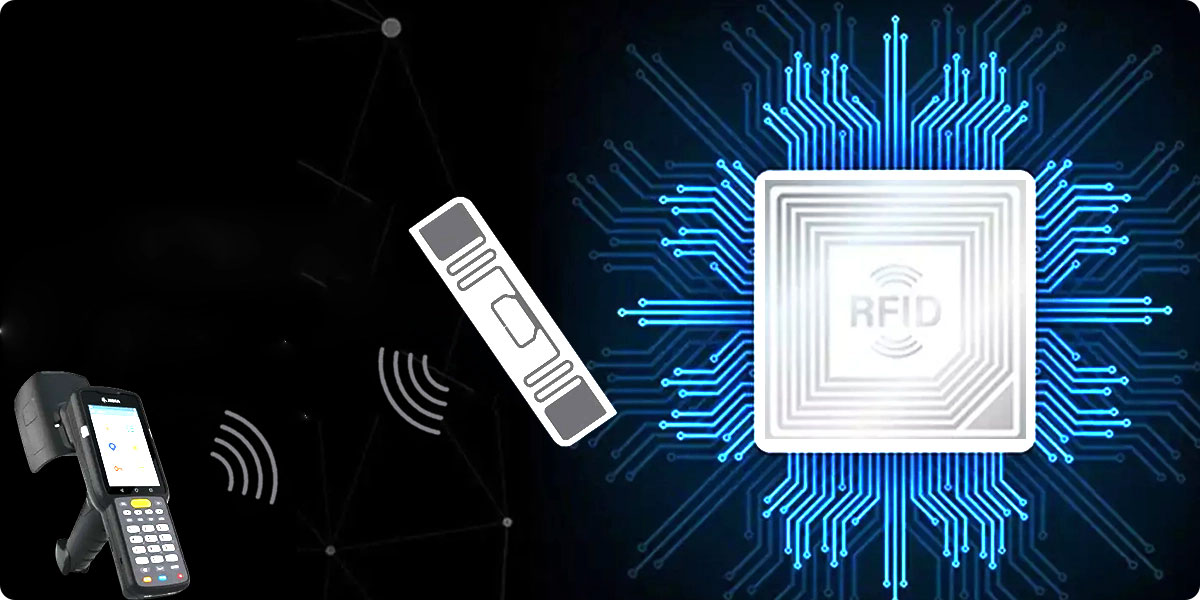
The fundamental principle remains elegantly simple: a compact credential transmitter (the fob) communicates wirelessly with a receiver embedded in door hardware or access points. Upon successful verification of the transmitted identifier against an authorised user database, the system grants entry. This mechanism has permeated numerous aspects of daily life—from contactless payment terminals to vehicle entry systems—reflecting its reliability and user-friendly nature.
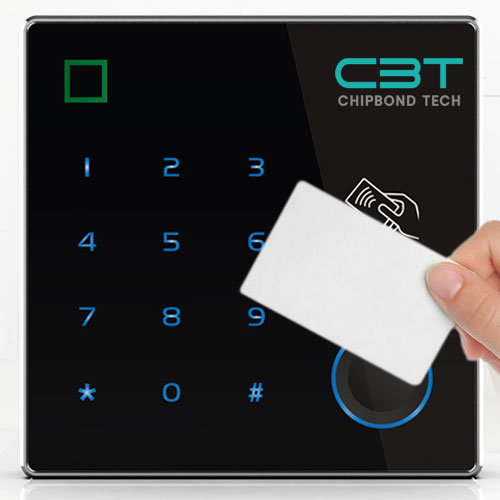
Proximity access control represents a wireless communication paradigm enabling credential verification without physical contact between the user's token and the reader device. Operating primarily on low-frequency RFID technology within the 120–134 kHz spectrum, these systems achieve read ranges up to 50 centimetres (approximately 15 inches), allowing users to simply present their card or fob near the reader for instant authentication.
A typical proximity access control architecture comprises three essential components:
Proximity Reader: Mounted at each controlled entry point, this device emits a short-range electromagnetic field and captures incoming credential data for transmission to the central controller.
User Tokens (Cards or Fobs): Portable credentials carried by authorised personnel, each containing a uniquely programmed microchip identifier.
Networked Management System: Centralised software platform that administers user permissions, maintains comprehensive audit logs, and coordinates multiple readers across distributed facilities.
Understanding the distinction between active and passive proximity cards is crucial for selecting the appropriate technology for your security requirements:
Passive Proximity Cards dominate the commercial access control market due to their simplicity and longevity. These credentials contain three integrated elements—an antenna coil, a capacitor, and a microchip storing the user's unique identification number. Critically, passive cards derive operational power directly from the reader's electromagnetic field, eliminating the need for internal batteries. This design ensures indefinite lifespan with zero maintenance requirements. The trade-off involves limited read range, necessitating close proximity (typically within 10 centimetres) between card and reader.
Active Proximity Cards (also termed vicinity cards) incorporate an internal lithium battery, extending operational range to approximately 2 metres (6 feet). This extended reach makes them ideal for hands-free applications such as vehicle gate barriers or warehouse loading docks. However, battery depletion requires credential replacement every 2–7 years, and active cards command premium pricing compared to passive alternatives.
The radio frequency specification employed by a key fob system directly influences its read range, encryption capabilities, and suitability for different security environments. Modern deployments typically utilise one of three frequency bands:
| RFID Type | Operating Frequency | Read Range | Primary Applications |
|---|---|---|---|
| Low-Frequency (LF) | 125–134 kHz | Up to 10 cm | Standard office and building door access |
| High-Frequency (HF) | 13.56 MHz | Up to 1 metre | Encrypted smart credentials for high-security zones |
| Ultra-High-Frequency (UHF) | 860–960 MHz | Up to 12 metres | Vehicle access control and hands-free gate systems |
For most commercial installations, LF or HF frequencies provide optimal balance between cost and functionality. LF systems remain the industry standard for routine door access due to their affordability and proven reliability. HF credentials, operating on NFC-compatible 13.56 MHz frequency, support mutual authentication protocols and AES-128 encryption, rendering them substantially more resistant to cloning attacks—a critical consideration for facilities managing sensitive areas such as server rooms, pharmaceutical storage, or financial data centres.
Contemporary systems also implement rolling code algorithms that dynamically change credential identifiers after each use, effectively neutralising replay attack vectors. End-to-end encryption between fob, reader, and control panel further fortifies the authentication chain against interception attempts.
Transitioning from mechanical locks to electronic key fob systems delivers multifaceted security enhancements that extend far beyond simple convenience:
Electronic systems enable precise permission mapping aligned with organisational hierarchies and operational requirements. Facility managers can restrict individual users to specific zones corresponding to their roles—for instance, granting custodial staff comprehensive building access while limiting reception personnel to front-of-house areas. This segmentation minimises unauthorised movement and reduces internal security risks.
Beyond spatial controls, administrators can enforce time-based access policies. Employees scheduled for weekday operations only receive credential validation during designated hours, automatically denying weekend or after-hours entry attempts. This capability proves invaluable for managing shift workers, contractors, or temporary staff with limited engagement periods.
Unlike traditional keys that leave no usage record, key fob systems generate comprehensive digital logs documenting every access attempt—including successful entries, denied requests, timestamps, and location data. These audit trails facilitate post-incident investigations, compliance reporting, and operational analytics while establishing clear accountability frameworks that deter internal misconduct.
When an employee departs or a credential is compromised, administrators can instantly deactivate the associated fob through the management software interface. This immediate revocation contrasts sharply with mechanical lock scenarios requiring costly lock replacements and rekeying procedures to maintain security integrity.
Evaluating key fob systems alongside alternative access control methods reveals distinct advantages and limitations:
| Feature | Key Fob Systems | Traditional Keys | Numeric Keypads | Biometric Scanners |
|---|---|---|---|---|
| Convenience | High – Tap or wave gesture | Moderate – Insert and turn required | Moderate – Code entry needed | High – Use biometric trait |
| Security Level | High – Encrypted credentials | Low – Easily duplicated | Moderate – Codes can be shared | Very High – Unique biological markers |
| Access Revocation | Instant – Deactivate via software | Difficult – Replace entire lock set | Easy – Change access code | Easy – Remove from database |
| Initial Investment | Moderate | Low | Low to Moderate | High |
| Durability | High – No moving parts | Moderate – Mechanical wear | High – Weather-resistant options | Very High – Solid-state design |
| Scalability | High – Easy expansion | Low – Physical key distribution limits | Moderate – Code management complexity | High – Database-driven |
| Maintenance Requirements | Low – Periodic software updates | Moderate – Lock servicing | Low – Battery replacement | Moderate – Sensor calibration |
The COVID-19 pandemic fundamentally reshaped workplace health expectations, accelerating adoption of touch-free technologies. Proximity-based key fob systems eliminate shared surface contact entirely—no keypad buttons to press, no biometric sensors to touch. Users simply present their credential within reading distance, creating a hygienic access solution that minimises pathogen transmission risks while maintaining robust security standards.
Modern access control platforms seamlessly integrate with complementary security infrastructure including CCTV surveillance networks, intruder alarm systems, and visitor management software. Advanced configurations enable real-time visual verification: when a credential is presented, the system simultaneously captures a facial image via connected cameras and cross-references it against stored biometric profiles, ensuring the credential holder matches the authorised user identity.
Eliminating mechanical lock components translates to substantial long-term savings. Organisations avoid recurring expenses associated with lock cylinder replacements, key cutting services, and emergency locksmith calls. Contactless RFID technology experiences minimal wear since no physical insertion or rotation occurs, extending hardware lifespan significantly beyond traditional mechanisms.
Key fobs frequently serve dual purposes as both access credentials and employee identification badges. This consolidation streamlines administrative processes, enhances visual accountability throughout facilities, and reduces the burden on staff carrying multiple cards or tokens.
Schools and universities face the complex challenge of maintaining open learning environments while safeguarding students and staff. Key fob systems address this dichotomy through tiered access models:
Differentiated building access based on student year groups, faculty departments, or administrative roles
Rapid lockdown capabilities during emergency situations, enabling security teams to secure multiple buildings simultaneously
Integration with library checkout systems, cafeteria meal plans, and attendance tracking platforms for unified campus management
Industrial environments leverage access control to optimise safety compliance and operational workflows:
Zoned access restrictions preventing untrained personnel from entering hazardous production areas or operating dangerous machinery
Automated time-and-attendance recording through credential scans at shift start/end points
Integration with environmental monitoring systems to restrict access during unsafe conditions
Multi-unit residential properties increasingly adopt key fob systems to enhance resident experience:
Unified access to parking garages, communal amenities, and individual units through a single credential
Visitor management features enabling residents to grant temporary access via mobile applications
Smart home integration triggering personalised lighting, climate, or entertainment settings upon unit entry
Cost evaluation represents a critical factor in access control procurement decisions. While project-specific variables influence final pricing, the following benchmarks provide realistic budgeting guidance for UK installations:
| Cost Component | Typical Price Range (GBP) |
|---|---|
| Hardware per door (reader + lock assembly) | £300–£600 |
| Fully installed system per door | £500–£800 |
| Standard proximity fobs/cards (per unit) | £3–£15 |
| Encrypted smart credentials (MIFARE/DESFire) | £15–£50 |
| Annual maintenance visit | £75–£150 |
| Cloud-based management software subscription | £20–£60/month |
Several factors influence total project expenditure:
Scale economies: Per-door costs decrease as installation volume increases due to efficient labour deployment and bulk material purchasing
Technology tier selection: Basic 125 kHz LF systems offer the most affordable entry point, while encrypted HF/NFC credentials command premium pricing justified by enhanced security
Standalone vs. networked architecture: Single-door standalone readers minimise upfront costs but sacrifice centralised management capabilities essential for multi-site operations
Integration complexity: Linking with existing CCTV, alarm systems, or HR platforms adds initial investment but reduces long-term administrative overhead
For typical small-to-medium business deployments covering 3–5 entry points, organisations should budget £2,000–£4,500 for a complete networked installation encompassing hardware, structured cabling, software configuration, and professional commissioning.
Ensuring reliable system performance requires methodical implementation following industry best practices:
Comprehensive Site Survey: Qualified engineers assess each controlled entry point, evaluate door hardware compatibility, identify optimal cable routing paths, and specify appropriate reader and locking mechanisms for diverse environmental conditions.
System Architecture Design: Security zones, user group hierarchies, time-based restrictions, and integration requirements with ancillary systems are mapped into a cohesive access control strategy.
Hardware Deployment: Readers are mounted at designated locations, electric strikes or magnetic locks are fitted to door frames, controllers are installed in secure enclosures, and structured cabling connects all components to central panels.
Software Configuration and Testing: User credentials are enrolled, access levels programmed, time-zone rules established, and end-to-end functionality verified through rigorous testing protocols before operational handover.
Staff Training and Documentation: Facility managers receive comprehensive instruction on credential issuance, permission management, audit log interpretation, and troubleshooting common scenarios including lost or stolen fobs.
Most small-to-medium installations complete within one to two working days with minimal disruption to normal business operations. For commercial sites requiring insurance compliance, ensure your installer holds NSI (National Security Inspectorate) or SSAIB certification, guaranteeing adherence to BS EN 60839 electronic access control standards.
Navigating the diverse market of access control solutions requires careful evaluation of several critical factors:
Assess your current and projected needs regarding door count and user population. Single-door standalone readers suit small offices with straightforward access patterns. Multi-floor facilities, departmental segregation, or distributed campuses necessitate networked systems with centralised management software—the foundation for audit trails, remote credential revocation, and time-zone administration essential for scalable operations.
Match credential technology to your risk profile. Standard 125 kHz proximity fobs provide cost-effective convenience for general office environments but remain vulnerable to cloning using commercially available equipment. For sensitive areas housing critical infrastructure, confidential data, or valuable assets, specify 13.56 MHz MIFARE DESFire credentials employing mutual authentication and AES encryption to substantially mitigate compromise risks.
If your organisation requires differentiated area access, temporal restrictions, or role-based permissions, basic standalone readers prove inadequate. Invest in controller-based systems with comprehensive software platforms enabling granular access level definition and automated policy enforcement.
Verify compatibility with existing security infrastructure including CCTV networks, intrusion detection systems, or human resources platforms. A connected security ecosystem streamlines incident response, reduces duplicate administrative tasks, and provides holistic situational awareness.
For UK commercial installations, prioritise NSI or SSAIB-approved contractors. This accreditation confirms compliance with British and European security standards, satisfies insurance prerequisites, and ensures professional workmanship backed by industry oversight.
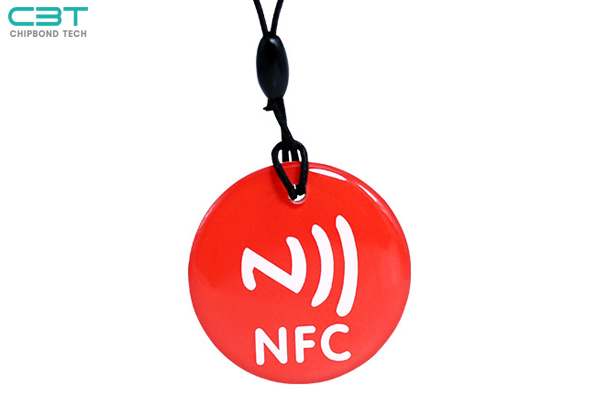
A key fob is a compact, portable electronic device utilising radio frequency technology (typically RFID or NFC protocols) to communicate wirelessly with door-mounted readers. When presented within operational range, the fob transmits a unique cryptographic credential that the access control system validates against its authorisation database to grant or deny entry.
Each fob contains an embedded microchip and antenna coil. Upon approaching a reader, the device's electromagnetic field induces current in the fob's antenna, powering the microchip which then broadcasts its encoded identifier. The access control controller receives this signal, verifies the credential against stored permissions, and triggers the locking mechanism if authentication succeeds.
Basic 125 kHz proximity fobs can indeed be duplicated using inexpensive cloning devices readily available online—this represents a documented vulnerability of legacy technology. However, encrypted 13.56 MHz smart credentials (MIFARE Classic, DESFire EV2/EV3) employ rolling authentication sequences and AES-128/256 encryption, making unauthorised replication exponentially more difficult. For any facility with meaningful security requirements, always specify encrypted credential technology.
Lost credentials can be instantly deactivated through the management software interface, immediately revoking access privileges without requiring physical lock changes or reissuing credentials to other users. This rapid response capability represents one of the most significant operational advantages over traditional mechanical key systems.
Both credential types utilise identical underlying RFID technology and function interchangeably with compatible readers. The distinction lies solely in form factor: proximity cards adopt credit-card dimensions suitable for wallet storage, while key fobs feature compact puck designs attaching to keyrings. Many organisations issue both formats to accommodate different user preferences or operational contexts.
Ready to upgrade your facility's security infrastructure with state-of-the-art key fob and proximity access control systems?
Why Choose Chipbond?
✓ Dual Manufacturing Advantage: We operate production facilities not only in China but also in Thailand, leveraging preferential trade agreements that reduce import tariffs by 50%, delivering significant cost savings directly to our clients.
✓ Competitive Wholesale Pricing: Our scalable manufacturing capabilities support large-volume orders, ensuring cost-effective solutions for projects of any size—from single-site installations to multi-national deployments.
✓ 30+ Years of Expertise: Trusted by businesses across the UK for reliable, compliant, and professionally installed access control systems.
Contact us today for a free consultation and customised quote tailored to your security requirements.