Selecting the right surface finish for your printed plastic cards is a critical decision that impacts both aesthetics and functionality. Whether you're producing access control cards, employee ID badges, membership cards, or loyalty programs, understanding the practical differences between matt and gloss finishes will help you make an informed choice that serves your end-users effectively.
The fundamental distinction between matt and gloss finishes lies in how they interact with light and handle everyday wear:
Gloss Finish: Features a highly reflective, mirror-like surface that enhances color saturation and creates vibrant visual impact. When held under lighting, gloss cards display noticeable reflections from their surroundings.
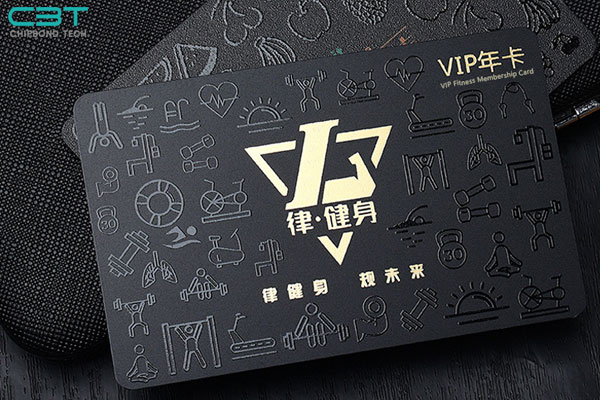
Matt Finish: Offers a smooth, non-reflective surface with a sophisticated, understated appearance. While colors remain vivid, they appear more muted and refined. This finish excels at concealing fingerprints, smudges, and minor surface scratches.
Matt finishes have become the preferred option for many professional applications, particularly when durability and clean appearance are priorities:
Dark-Colored Designs: If your card features black, navy, or other dark backgrounds, matt finish is virtually essential. Gloss surfaces on dark cards reveal fingerprints and micro-scratches almost immediately, creating an unprofessional appearance after minimal use.
High-Frequency Access Cards: Door entry cards, hotel key cards, and transportation passes that undergo constant handling benefit tremendously from matt finishes. These cards maintain their pristine appearance despite dozens of daily interactions.
Corporate Identity Badges: Staff ID cards and visitor badges project a more professional, business-appropriate aesthetic with matt surfaces. The reduced glare also improves readability of text, barcodes, and QR codes.
Low-Maintenance Requirements: Organizations seeking cards that look consistently professional without frequent replacement find matt finishes significantly reduce visible wear patterns.
Gloss finishes excel in scenarios where visual impact and color reproduction take precedence over scratch resistance:
Photographic ID Cards: When high-quality photographs are central to your design, gloss finishes enhance image clarity and make portraits appear sharper and more vibrant.
Retail Loyalty Programs: Cards displayed at point-of-sale or carried in wallets benefit from the eye-catching shine that attracts attention and reinforces brand presence.
Premium Event Credentials: VIP passes, conference badges, and exclusive event tickets gain a luxurious feel from glossy surfaces that communicate special status.
Light-Colored Backgrounds: Designs featuring white, pastels, or bright colors show fewer fingerprints on gloss finishes compared to dark designs, making this combination more practical.
However, be aware that gloss surfaces amplify every fingerprint and handling mark, particularly problematic for frequently-used cards with darker artwork.
You don't need to commit exclusively to one finish. Spot gloss (also known as spot UV coating) combines the best attributes of both approaches:
How It Works: The entire card receives a matt base coating for durability and reduced glare, then specific design elements—such as logos, brand marks, or key graphics—receive an additional glossy layer.
Visual Impact: This technique creates subtle dimensionality and draws attention to important branding elements without compromising the card's overall resistance to fingerprints and scratches.
Best For: Companies seeking a sophisticated, designer-quality appearance that feels premium while maintaining practical usability.
| Card Application | Recommended Finish | Key Reasoning |
|---|---|---|
| Door Access & Key Cards | Matt | Minimizes glare for readers, hides fingerprints from constant handling, resists visible scratching |
| Staff ID & Visitor Badges | Matt (preferred) or Gloss | Matt offers corporate professionalism; gloss acceptable for light-colored designs |
| Loyalty & Membership Cards | Gloss for retail impact; Matt for minimalist brands | Depends on brand positioning and whether cards face customers directly |
| Event Passes & VIP Cards | Gloss for bold designs; Matt + Spot Gloss for premium feel | Balances visual appeal with perceived value and exclusivity |
| Photo-Heavy ID Cards | Gloss (if images are priority); Matt (if durability matters more) | Trade-off between photo vibrancy and long-term appearance retention |
Regardless of your finish selection, proper artwork preparation ensures optimal print quality:
Resolution Requirements: Maintain minimum 300 DPI for all images and graphics to prevent pixelation
Bleed Areas: Include 3mm bleed on all edges to account for cutting tolerances
Safe Zones: Keep critical text and logos at least 5mm from card edges
Logo Formats: Supply vector files (AI, EPS, or SVG) for crisp reproduction on both finishes
Color Profiles: Use CMYK color mode rather than RGB for accurate print matching
Neither finish is universally superior—the optimal choice depends entirely on your specific application. Matt finishes excel at concealing wear and providing professional aesthetics for frequently-handled cards, while gloss finishes deliver superior color vibrancy for visually-driven designs. Consider your primary use case, color scheme, and handling frequency when deciding.
Both finishes offer comparable structural durability, but matt cards typically appear newer for extended periods. Gloss surfaces reveal scratches and fingerprints more readily because light reflection highlights these imperfections. For high-traffic applications like access control or hospitality key cards, matt finishes provide better long-term visual performance.
Absolutely. Gloss surfaces act like mirrors, making fingerprints, oils, and smudges highly visible—especially on dark-colored designs. If your cards will experience regular handling throughout the day, consider matt finish or matt with selective spot gloss accents to balance aesthetics with practicality.
Yes, reputable manufacturers typically provide physical samples showing both matt and gloss finishes on your actual design. This allows you to evaluate appearance, texture, and durability before committing to production quantities.
Partner with CBT for Premium Quality at Competitive Prices
Why Choose CBT for Your Plastic Card Manufacturing:
✓ Dual Manufacturing Locations: Not only do we operate advanced production facilities in China, but we also maintain a strategic factory in Thailand—qualifying for preferential trade agreements that reduce import tariffs by up to 50%
✓ Significant Cost Savings: Our Thailand facility enables substantial tax reductions, directly translating to lower unit costs for your bulk orders
✓ Wholesale Volume Support: Fully equipped to handle large-scale production runs with consistent quality control and reliable delivery timelines
✓ Expert Consultation: Unsure whether matt, gloss, or spot gloss suits your design? Share your artwork and usage requirements—we'll recommend the optimal finish based on real-world performance, not just screen previews
✓ Comprehensive Product Range: From NFC-enabled smart cards to traditional access control cards, membership cards, and custom promotional designs
Contact CBT Today for a Free Quote
Experience the perfect balance of quality, cost-efficiency, and manufacturing flexibility for your plastic card projects.