Wooden NFC cards combine the natural appeal of wood with modern contactless technology, creating a distinctive alternative to conventional plastic smart cards. Whether used for digital business networking, luxury hotel access, membership programs, or promotional campaigns, these cards offer a balance of functionality, personalization, and visual appeal.
However, producing a high-quality custom wooden NFC card involves more than choosing an attractive wood surface. Material selection, chip compatibility, antenna placement, printing techniques, and protective finishes all influence the final product.
In this guide, Chipbond Tech explores the key customization options for wooden NFC cards and explains how businesses can choose the right materials, decoration methods, and NFC technology for their projects.
A wooden NFC card is a contactless smart card manufactured with a natural wood or bamboo exterior and an embedded NFC chip and antenna.
Unlike traditional PVC cards, wooden NFC cards feature organic textures and natural grain patterns that make each card visually distinctive.
Most NFC wooden cards operate at 13.56 MHz, allowing compatible smartphones and NFC readers to communicate with the embedded chip without physical contact.
Depending on the selected chip and programming, a wooden NFC card can be used to:
Share digital business cards and contact details
Open websites or online portfolios
Provide access to compatible hotel or office systems
Support loyalty and membership programs
Connect customers with promotional campaigns
Share social media profiles and digital content
Enable interactive product information experiences
Wooden NFC cards typically use a layered structure containing a decorative wooden surface, an NFC inlay, bonding materials, and protective finishing layers.
The exact construction depends on the desired card thickness, wood type, and application requirements.
Wood selection is one of the most important decisions when developing a custom wooden NFC card.
Different wood species offer unique colors, textures, engraving characteristics, and finishing possibilities.
Maple is recognized for its light color and relatively smooth grain structure.
Its pale surface creates a clean background for detailed laser engraving, printed logos, and personalized information.
Key advantages:
Light, elegant appearance
Good visibility for dark engraved graphics
Suitable for minimalist branding
Compatible with various printing designs
Maple wooden NFC cards are particularly suitable for professional digital business cards and corporate membership programs.
Walnut offers a darker brown appearance with distinctive natural grain patterns.
Its premium visual character makes it attractive for executive business cards, luxury memberships, and high-end promotional products.
Key advantages:
Rich natural wood color
Sophisticated appearance
Distinctive grain patterns
Attractive contrast with selected light-colored graphics
Because walnut is relatively dark, engraved details may require additional testing to achieve the desired visibility.
Cherry wood is appreciated for its warm tones and smooth visual appearance.
Its color can gradually deepen over time, giving the material a distinctive character.
Key advantages:
Warm, natural coloration
Elegant appearance
Suitable for simple engraved logos
Attractive for hospitality and lifestyle branding
Cherry wood works well for boutique hotel cards, premium invitations, and personalized gifts.
Bamboo is another popular material for NFC card customization.
Although technically a grass rather than hardwood, bamboo is frequently used in wooden card manufacturing because of its distinctive linear texture.
Key advantages:
Recognizable natural appearance
Lightweight construction possibilities
Suitable for engraving and printing
Attractive for nature-inspired branding
Bamboo NFC cards can be an appealing option for businesses seeking an alternative to conventional plastic card surfaces.
However, environmental claims should be based on verified material sourcing and the complete card construction.
Depending on sourcing and manufacturing feasibility, additional materials may include beech, basswood, sapele, and other decorative woods.
| Wood Material | Appearance | Recommended Customization |
|---|---|---|
| Maple | Light and smooth | Laser engraving, UV printing |
| Walnut | Dark brown, rich grain | Light-colored logos, premium branding |
| Cherry | Warm reddish-brown | Engraving, minimalist designs |
| Bamboo | Natural linear texture | Laser engraving, UV printing |
| Beech | Light, subtle grain | Detailed artwork and printing |
| Sapele | Rich decorative grain | Premium logos and selective finishes |
Chipbond Tech recommends evaluating physical material samples before finalizing a bulk order, since natural grain and color variations can affect the appearance of finished cards.
Laser engraving is a popular customization method for wooden NFC cards.
Instead of applying ink to the surface, a laser creates permanent markings by modifying or removing a controlled amount of wood.
This process highlights the natural material while creating personalized designs.
Common engraving elements include:
Company logos
Personal names and job titles
Decorative illustrations
Serial numbers
QR codes
Membership identification details
Custom messages
Natural appearance
Engraved graphics integrate with the wood surface rather than appearing as a separate printed layer.
Long-lasting personalization
Properly executed engraving is less dependent on surface ink adhesion.
Flexible customization
Names, numbers, and individual artwork can be customized for different recipients.
Premium presentation
Laser engraving creates a refined visual effect that works particularly well with natural wood textures.
Engraving results vary depending on wood density, grain direction, surface coating, and laser settings.
Fine text and complex artwork should be tested before mass production.
Because NFC cards contain an internal antenna and chip, engraving depth must also be controlled to prevent damage to the electronic components.
For projects requiring individually personalized cards, the engraved information should be checked against the programmed NFC data.
While laser engraving emphasizes natural wood texture, printing allows businesses to incorporate colorful branding and detailed graphics.
Different printing technologies can be selected according to artwork complexity, production quantity, and material compatibility.
UV printing is well suited to custom wooden NFC cards featuring multicolor logos, illustrations, and complex graphic designs.
UV-curable inks can be applied to appropriately prepared wooden surfaces to produce detailed artwork.
Common applications include:
Full-color corporate logos
Promotional illustrations
Branded membership cards
Digital business card graphics
Printed QR codes
Because natural wood is not a uniform white surface, printed colors may appear different from those shown on a digital design.
For dark wood, a white ink base or additional surface preparation may be necessary to improve color visibility.
Screen printing can be a practical solution for wooden NFC cards with simple graphics and limited color requirements.
It is commonly considered for designs containing solid logos, text, or straightforward decorative elements.
The suitability of screen printing depends on the wood surface, ink system, and order quantity.
Offset printing may be evaluated for certain card constructions and production configurations.
However, conventional printing processes are not automatically compatible with every natural wooden surface.
Manufacturing feasibility should be confirmed before selecting this technique.
For natural, minimalist designs, laser engraving is often the preferred option.
For colorful branding, UV printing provides greater design flexibility.
For simple repeatable artwork, screen printing may offer an alternative.
The final choice should consider appearance, durability, quantity, and production cost.
Finishing techniques can significantly influence the appearance and tactile experience of wooden NFC cards.
The appropriate finish should complement the material without compromising the performance of the embedded NFC technology.
Metallic foil decoration can add a luxurious touch to wooden cards.
Gold or silver details are particularly attractive for premium membership cards, hotel branding, and exclusive invitations.
Potential applications include metallic logos, decorative borders, and selected text elements.
However, foil stamping requires careful evaluation of heat, pressure, surface texture, and antenna placement.
Metallic decoration near the NFC antenna may also affect contactless performance.
For this reason, foil designs should undergo feasibility assessment and functional testing before production.
Protective finishes can help improve the appearance and everyday handling characteristics of wooden cards.
Depending on the construction, suitable coatings may provide resistance to minor surface wear and limited moisture exposure.
Available finishing characteristics may include:
Matte appearance
Smooth natural texture
Enhanced wood color
Protective surface sealing
The coating should be compatible with printing, engraving, and the intended usage environment.
A protective finish should not automatically be interpreted as making the complete card waterproof.
Wooden NFC cards do not always need to follow a conventional rectangular design.
Customized edges, rounded corners, and decorative openings can help create distinctive products.
However, the NFC antenna occupies space inside the card.
Cutting through the antenna or chip can permanently damage the NFC function.
Therefore, custom shapes and hollow-cut patterns should be designed according to the actual antenna layout and approved manufacturing tolerances.
The NFC chip is the functional component that allows a wooden card to communicate with compatible devices.
Selecting the correct chip is essential for ensuring that the finished card works as intended.
Common NFC chip options include NTAG213, NTAG215, and NTAG216.
| NFC Chip | Frequency | User Memory | Typical Application |
|---|---|---|---|
| NTAG213 | 13.56 MHz | 144 bytes | Digital business cards, website links |
| NTAG215 | 13.56 MHz | 504 bytes | Applications requiring additional data |
| NTAG216 | 13.56 MHz | 888 bytes | Larger NFC data records |
NTAG213 is widely used for straightforward NFC applications such as website links, digital contact sharing, and promotional interactions.
It is often sufficient when the card stores a short URL rather than extensive information.
NTAG215 offers greater user memory capacity and can support applications requiring more stored information.
NTAG216 provides a larger memory capacity, making it suitable for applications involving more extensive NFC records.
Hotel access cards and secure membership systems may require different chip technologies and authentication features.
An NFC chip that works with a smartphone is not necessarily compatible with an existing hotel lock or access control system.
Before selecting a chip, confirm the reader type, communication protocol, security requirements, and encoding format.
Chipbond Tech recommends defining the intended application before choosing the chip, rather than selecting a chip based on memory capacity alone.
Wooden NFC cards can support a wide range of commercial applications.
Wooden NFC business cards provide a memorable way to exchange professional information.
With a compatible smartphone, recipients can tap the card to access a digital profile, contact page, portfolio, or company website.
This approach combines traditional face-to-face networking with digital information sharing.
Hotels and resorts can use wooden cards to reinforce a premium or nature-inspired brand identity.
The card's natural appearance may complement boutique hotels, wellness resorts, and luxury hospitality environments.
However, the embedded credential must be compatible with the hotel's existing lock and encoding systems.
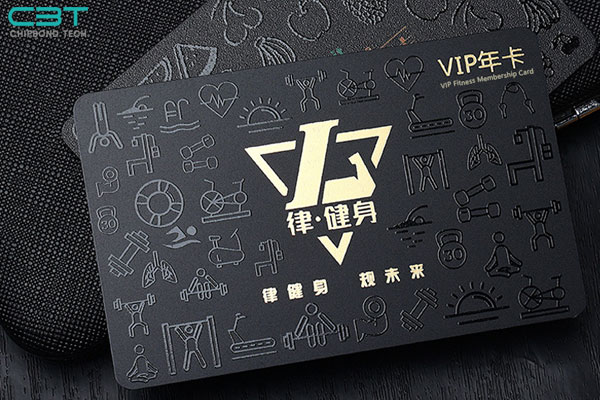
Premium clubs, fitness studios, lifestyle brands, and private organizations can use wooden NFC cards as distinctive membership credentials.
Depending on system integration, the cards may connect members with digital accounts, exclusive content, or loyalty services.
Wooden NFC cards can create a memorable experience for conferences, product launches, weddings, and exclusive events.
A tap can direct guests to event information, registration pages, schedules, or digital invitations.
Brands can combine customized wood materials, engraved artwork, and NFC functionality to create interactive promotional products.
Instead of providing a conventional printed card, businesses can offer an item that connects recipients with online content.
Wooden NFC cards are frequently chosen for their natural appearance and reduced reliance on conventional visible plastic surfaces.
However, the environmental performance of a wooden NFC card depends on its complete construction and manufacturing process.
A functional wooden NFC card may contain:
Natural wood or bamboo
Adhesive layers
NFC chips
Conductive antennas
Protective coatings
Additional structural materials
Consequently, a wooden surface alone does not establish that the complete product is biodegradable, recyclable, or plastic-free.
Businesses making environmental claims should evaluate material sourcing, manufacturing processes, product lifespan, and available certification documentation.
Responsible material selection and durable construction can contribute to a more considered product design.
A successful OEM wooden NFC card project begins with clear specifications.
At Chipbond Tech, customers exploring custom wooden NFC cards can use the following checklist to define their requirements.
Step 1: Identify the application
Determine whether the cards will be used for networking, membership, hospitality, marketing, or another purpose.
Step 2: Select the wood material
Choose a material based on the desired color, grain, brand positioning, and budget.
Step 3: Confirm card dimensions
Standard bank-card dimensions are approximately 85.5 × 54 mm, but the appropriate size and thickness should be confirmed for each project.
Step 4: Choose the NFC chip
Select a chip compatible with the required smartphones, readers, software, or access control equipment.
Step 5: Prepare the artwork
Provide high-resolution or vector files for logos, text, printed graphics, and any decorative cutting requirements.
Step 6: Determine the finishing process
Choose suitable engraving, printing, coating, or specialty decoration techniques.
Step 7: Review a physical sample
Check the appearance, surface quality, artwork alignment, and NFC reading performance before mass production.
Step 8: Confirm production requirements
Agree on quantity, personalization, packaging, testing standards, and delivery expectations.
For custom shapes, specialty finishes, and complex electronic requirements, a technical review is particularly important.
Choosing a wooden NFC card solution requires attention to both visual customization and contactless functionality.
Chipbond Tech can be your point of contact for discussing project requirements involving wooden NFC cards, material selection, chip configuration, and personalized branding.
When evaluating a customized card project, important considerations include:
Material selection: Choosing wood textures and colors that align with your brand
Brand customization: Reviewing engraving and printing options for your artwork
NFC configuration: Identifying appropriate chip technologies for your intended application
Product design: Evaluating card dimensions, thickness, and decorative features
Sample validation: Checking appearance and electronic performance before bulk production
OEM requirements: Defining personalization, packaging, and project specifications
The objective is to create a wooden NFC card that delivers both a distinctive brand experience and reliable performance in its intended environment.
Yes. Wooden NFC cards equipped with compatible NFC chips can communicate with NFC-enabled smartphones.
Actual compatibility depends on the chip, encoded data, phone model, and operating system.
Yes. Logos can be incorporated through suitable methods such as laser engraving or printing, depending on the selected material and manufacturing configuration.
Light-colored woods such as maple and beech often provide good contrast for dark engraved designs.
Walnut and cherry can also produce attractive results, but engraving visibility should be evaluated through samples.
Yes. QR codes can be printed or engraved onto the wooden surface.
QR codes and NFC chips are separate technologies, although both can direct users to the same digital destination.
Wooden NFC cards may receive protective surface treatments, but water resistance varies according to their construction.
The required moisture resistance should be specified and tested for the intended application.
Yes, provided that the embedded chip, credential configuration, and physical card format are compatible with the hotel's access control system.
Typical requirements include the preferred wood type, dimensions, quantity, artwork, NFC chip, printing or engraving method, and intended application.
Additional information may be required for individual encoding, custom shapes, or special finishes.
Custom wooden NFC cards offer an attractive combination of natural materials, personalized design, and contactless technology.
From the light appearance of maple to the rich grain of walnut, each wood type creates a different visual identity. Laser engraving, UV printing, and carefully selected finishing techniques allow businesses to adapt these cards to their branding requirements.
At the same time, reliable NFC functionality depends on choosing the correct chip, protecting the antenna, and validating the final product.
Whether you are developing premium digital business cards, hotel credentials, membership cards, or branded promotional items, careful planning is the foundation of a successful custom project.
Looking for Custom Wooden NFC Cards?
Contact Chipbond Tech to discuss your wooden NFC card requirements, preferred materials, logo customization, NFC chip options, and order quantities.
Share your design ideas and technical specifications to explore a solution tailored to your business.