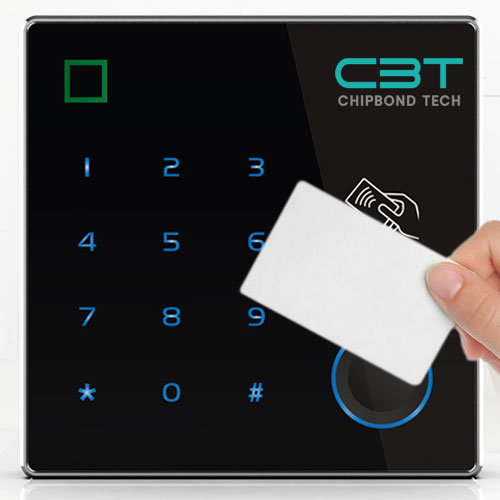
In our increasingly digital world, security threats are no longer confined to cyberspace—they also lurk in the pockets and bags we carry daily. As contactless payments become ubiquitous, understanding the risks of RFID (Radio Frequency Identification) technology and adopting appropriate protective measures has become essential for modern personal safety.
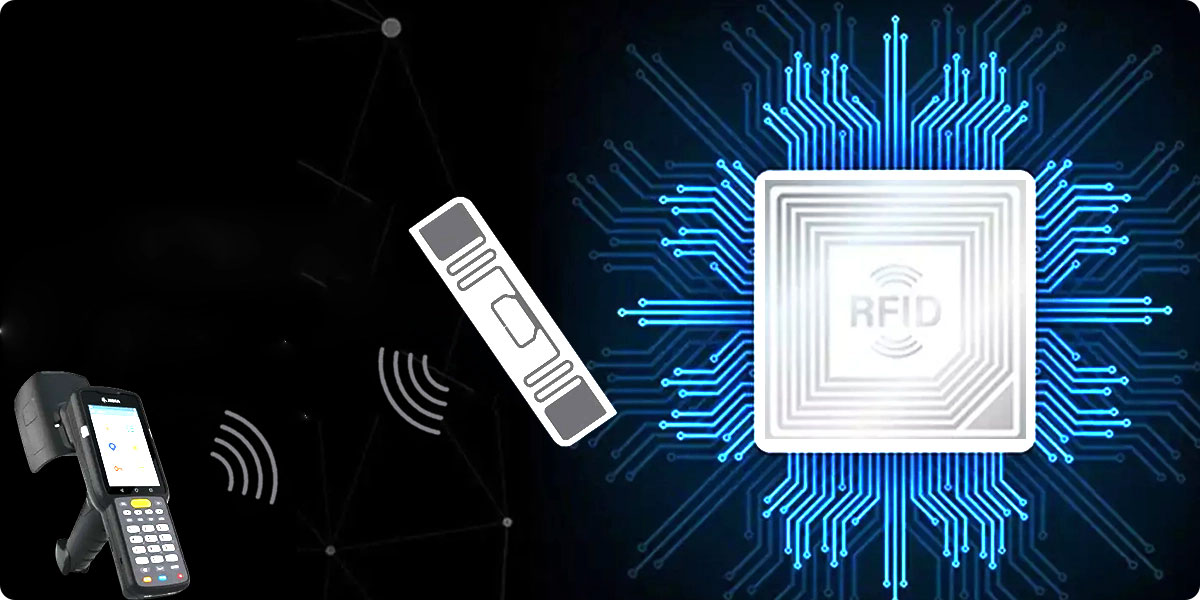
RFID is a technology that uses radio waves for non-contact data transmission. It is widely integrated into everyday items such as contactless bank cards, corporate access badges, biometric passports, and public transit cards. While its primary advantage is the ability to exchange information quickly without physical contact, this convenience comes with potential vulnerabilities.
In recent years, reports of "digital pickpocketing" have raised concerns among experts and consumers. Research indicates that in crowded environments like subways, bars, or busy sidewalks, malicious actors can use modified readers to intercept chip data from up to 30 centimeters away. This process is silent, leaves no physical trace, and triggers no alarms, often going unnoticed until the victim receives an unexpected bank notification.
To counter this covert threat, RFID shielding technology has been developed. The core of this protection lies in a specialized shielding layer integrated into the product's lining. Typically made from conductive materials such as metal fibers or industrial-grade conductive textiles, this layer acts as a Faraday cage, effectively blocking external radio waves.
When you place your RFID-enabled cards or documents inside a shielded wallet or cardholder, the chips become "invisible" to unauthorized scanners. Data transmission only resumes when you intentionally remove the card and bring it close to a legitimate POS terminal or authorized reader. This mechanism ensures robust protection without interfering with the card's normal functionality.
For frequent travelers, business professionals, and urban commuters, wallets and cardholders are more than just storage tools—they are the last line of defense for personal data. Integrating RFID shielding not only meets practical security needs but also reflects a commitment to sophisticated design. At Chipbond, our shielding systems are seamlessly hidden beneath premium leather, maintaining an elegant aesthetic while providing uncompromising security.
Business Professionals & Executives: Individuals who carry premium credit cards and sensitive corporate access badges.
Frequent Travelers: Those who rely on biometric passports and electronic boarding passes, often navigating high-risk airport environments.
Urban Commuters: City dwellers who use public transportation daily and are inevitably in close proximity to others.
Security-Conscious Individuals: Anyone seeking to enhance their personal data security silently and effectively without changing their daily habits.
When selecting RFID-protected products, consider the following expert recommendations:
Comprehensive Coverage: Ensure that all card slots are equipped with shielding layers to eliminate security blind spots.
Material Quality: The durability and conductivity of the shielding material directly determine the longevity of the protection.
Design Aesthetics: Superior products, like those from Chipbond, seamlessly blend innovative technology with timeless design lines, ensuring that security never compromises elegance.
Q1: What is RFID and how does it work?
A: RFID stands for Radio Frequency Identification. It uses radio waves to transmit information stored in microchips embedded in cards, badges, or passports. These chips can be read at close range without any physical contact.
Q2: Is it really possible to have funds or data stolen without my knowledge?
A: Yes. Independent tests have shown that handheld RFID readers can read data from contactless bank cards or chipped documents from just a few inches away. Scammers often use modified devices to perform illegal transactions in crowded areas.
Q3: Which cards are most vulnerable to RFID attacks?
A: Any contactless card containing an RFID or NFC chip is at risk, including credit/debit cards, transit cards, corporate access badges, and biometric passports.
Q4: Will RFID shielding interfere with my normal card usage?
A: No. The shielding layer only works when the card is inside the accessory. Once you remove the card, it functions normally, allowing you to make payments or scan for access without any issues.
In an era where personal data is transmitted invisibly, choosing RFID-protected products is not just a technical decision—it is a conscious investment in safety. Chipbond is dedicated to blending innovative technology with comfort, providing you with comprehensive security solutions.
Why Choose Chipbond?
Dual Factory Layout: We operate mature production bases in China and a large-scale factory in Thailand.
Significant Cost Advantage: Shipping from our Thailand factory allows you to enjoy a 50% tariff reduction, significantly lowering your import duty costs.
Bulk Wholesale Support: With powerful large-scale production capabilities, we efficiently deliver both standard shielded accessories and customized leather products for bulk orders.
Contact the CBT team today to get an exclusive quote and technical advice tailored to your business needs!