The global retail sector is undergoing a major transformation driven by automation, data intelligence, and digital connectivity. Among these innovations, RFID in retail industry has emerged as one of the most impactful technologies, reshaping how products are tracked, managed, and sold across physical and digital channels.
Unlike traditional barcode systems, RFID enables real-time, contactless, and bulk data capture, making it a core foundation of modern rfid retail operations. Retailers adopting RFID gain higher efficiency, improved accuracy, and stronger customer engagement across the entire supply chain.
RFID (Radio Frequency Identification) is a wireless technology that uses radio waves to automatically identify and track products through embedded chips called RFID tags. In rfid in retail stores, each product is assigned a unique identifier that can be read instantly without physical scanning or line-of-sight requirements.
This creates a fully connected retail ecosystem where inventory, logistics, and sales systems operate in real time. Compared to traditional barcode systems, RFID significantly reduces human error and increases operational transparency.
Today, leading retailers view RFID not just as a tracking tool but as a strategic data infrastructure for digital retail transformation.
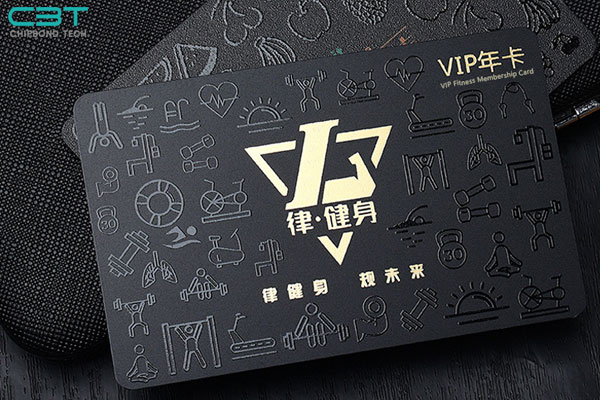
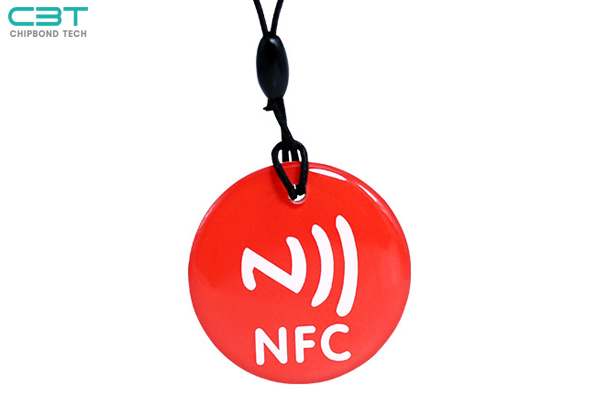
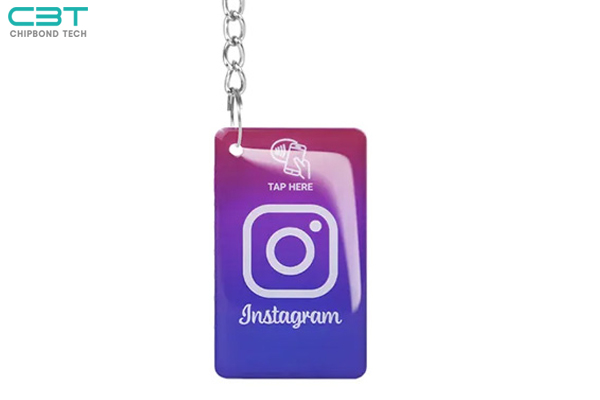
Modern retail rfid tags consist of a microchip and antenna embedded into labels, cards, or packaging. These tags communicate with RFID readers installed in warehouses, distribution centers, and retail stores.
When scanned, hundreds of tags can be read simultaneously within seconds. This capability is a key advantage over barcodes, which require individual scanning and direct visibility.
Data collected from RFID tags is transmitted into centralized systems, enabling real-time inventory tracking, product movement monitoring, and automated reporting across multiple retail locations.
The adoption of rfid solutions for retail is rapidly expanding due to its ability to solve long-standing operational challenges in inventory management, logistics, and customer experience.
One of the most critical benefits of RFID is achieving near-perfect inventory accuracy. Retailers using RFID systems report accuracy levels of 98%–99%, significantly reducing stock discrepancies and improving product availability.
This reduces lost sales caused by out-of-stock situations and improves demand forecasting capabilities.
RFID plays a vital role in reducing retail shrinkage by tracking product movement throughout the store. Unauthorized removal or suspicious activity can be detected in real time, improving theft prevention strategies.
Modern retail requires seamless integration between online and offline channels. RFID enables services such as Buy Online Pick Up In Store (BOPIS), ship-from-store, and real-time inventory synchronization across all platforms.
With RFID-enabled checkout systems, customers can complete purchases instantly by placing items in a scanning zone. This reduces waiting time and enhances the overall shopping experience.
rfid tags for retail store applications extend beyond stores into manufacturing and logistics, enabling full supply chain visibility from production to final sale.
Traditional barcode systems require manual scanning and offer limited data visibility. In contrast, rfid in retail industry provides automated, multi-item scanning with real-time data synchronization.
This shift enables retailers to move from reactive inventory management to predictive and data-driven decision-making.
As a result, RFID has become a foundational technology in smart retail ecosystems, particularly for large-scale operations requiring high accuracy and speed.
According to global retail studies, more than half of major retailers are planning to adopt RFID technology to improve inventory visibility and reduce shrinkage. The growing adoption of rfid retail systems reflects a shift toward automation and intelligent operations.
Companies such as Uniqlo and Decathlon have successfully implemented RFID at scale, achieving faster checkout processes, improved stock accuracy, and enhanced customer satisfaction.
These real-world implementations demonstrate that RFID is no longer experimental—it is a proven retail infrastructure technology.
Improved inventory accuracy and real-time visibility
Reduced operational labor and manual processes
Enhanced customer shopping experience
Lower shrinkage and better loss prevention
Stronger omnichannel integration and fulfillment efficiency
The future of rfid in retail industry is closely linked with AI, IoT, and big data analytics. Intelligent shelves, automated warehouses, and predictive inventory systems will further enhance efficiency and personalization.
As retail continues to evolve, RFID will play a central role in building fully autonomous and data-driven retail ecosystems.
From an industry expertise perspective, RFID technology represents a shift from manual retail operations to fully digitized supply chain ecosystems. Its ability to unify inventory, logistics, and customer experience data makes it one of the most important retail innovations of the past decade.
Experienced RFID manufacturers and solution providers play a critical role in ensuring system reliability, tag performance consistency, and large-scale deployment success.
RFID is redefining the future of retail by enabling real-time visibility, automation, and intelligent decision-making. From inventory tracking to customer experience optimization, rfid solutions for retail are becoming essential for global retail competitiveness.
Retailers that adopt RFID technology today are positioning themselves for stronger efficiency, improved profitability, and long-term digital transformation success.
CBT is a professional RFID/NFC product manufacturer specializing in retail RFID tags, smart cards, inlays, wristbands, and customized RFID solutions for global retail, logistics, and smart industry applications.
We operate factories in both China and Thailand. Our Thailand production base helps clients reduce import tariffs by up to 50%, significantly lowering overall procurement costs and improving global supply chain competitiveness.
With strong OEM/ODM capabilities, CBT supports large-scale production of RFID products for retail, ensuring stable quality, fast delivery, and cost-effective wholesale supply.
Whether you are deploying rfid tags for retail store systems or building full-scale smart retail infrastructure, CBT provides reliable and scalable RFID solutions tailored to your needs.