Museums are evolving from traditional exhibition spaces into intelligent, data-driven environments. One of the most transformative technologies driving this change is RFID in museums, enabling seamless interaction between visitors, exhibits, and digital systems.
RFID (Radio Frequency Identification) is a wireless technology that uses tags and readers to identify and track objects automatically. In museums, it is applied to artifacts and visitor devices to create a connected, interactive environment.
This allows museums to digitize operations, improve engagement, and provide real-time access to information about exhibits.
RFID technology helps museums manage collections more efficiently by tracking the location and status of each artifact in real time. This reduces manual labor, prevents misplacement, and enhances inventory accuracy.
With RFID-enabled monitoring systems, museums can detect unauthorized movement of artifacts instantly. Alerts are triggered when items are moved without permission, improving the protection of cultural heritage.
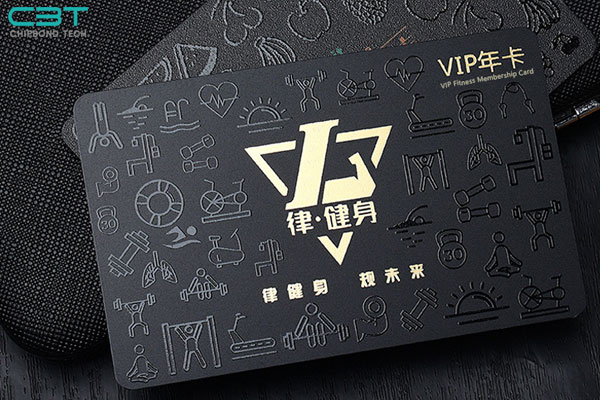
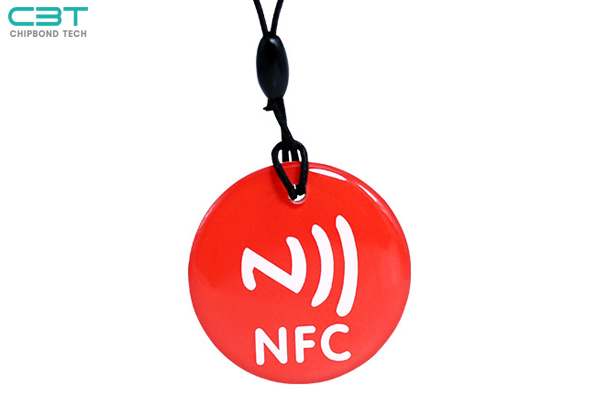
RFID transforms passive visits into interactive journeys. Visitors can use RFID cards or wristbands to access multimedia content, audio guides, and storytelling experiences simply by tapping near exhibits.
This gamified experience increases engagement and makes learning more enjoyable for all age groups.
RFID systems can analyze visitor behavior and provide personalized recommendations based on interests and movement patterns, creating a customized museum experience for each visitor.
Museums can use RFID data to understand visitor flow, peak hours, and popular exhibits. This helps optimize layout design and improve overall visitor experience.
Improved visitor engagement through interactive experiences
Higher operational efficiency and automation
Stronger artifact protection and security monitoring
Data-driven insights for museum management
The future of RFID in museums includes deeper integration with AI, AR, and IoT technologies, enabling fully immersive and personalized cultural experiences.
What is RFID used for in museums?
It is used for artifact tracking, security, and interactive visitor engagement.
Does RFID improve visitor experience?
Yes, it enables interactive content, smart tours, and personalized learning.
Is RFID expensive for museums?
Initial setup requires investment, but it reduces long-term operational costs.
CBT is a professional RFID/NFC products manufacturer specializing in smart cards, RFID tags, inlays, wristbands, and customized solutions for global smart applications including museums, retail, logistics, and access control systems.
We operate advanced production facilities in China and Thailand. Our Thailand factory helps customers reduce import tariffs by up to 50%, significantly lowering overall procurement costs and improving supply chain efficiency.
With strong OEM/ODM capability, CBT supports large-scale wholesale orders, stable production capacity, fast delivery, and strict quality control to meet global project requirements.
Whether you are building a smart museum system or deploying large RFID infrastructure projects, CBT provides reliable and cost-effective solutions tailored to your needs.